Quick answer: Back and neck pain after a car accident is common, because the sudden jolt of a crash can strain or sprain the muscles and ligaments of the spine and, less often, injure a disk or a vertebra. MedlinePlus says to get medical attention for back pain that follows an injury, and to get help right away for red flags such as numbness or weakness in a leg, pain traveling below the knee, or loss of bladder or bowel control. If you are in Eatontown or Monmouth County, Fusion Chiropractic sees car accident patients for neck and back pain.
This article uses MedlinePlus, the National Library of Medicine’s consumer health site, so you can check every point. It is general information, not a diagnosis.
Why does a crash hurt your back and neck?
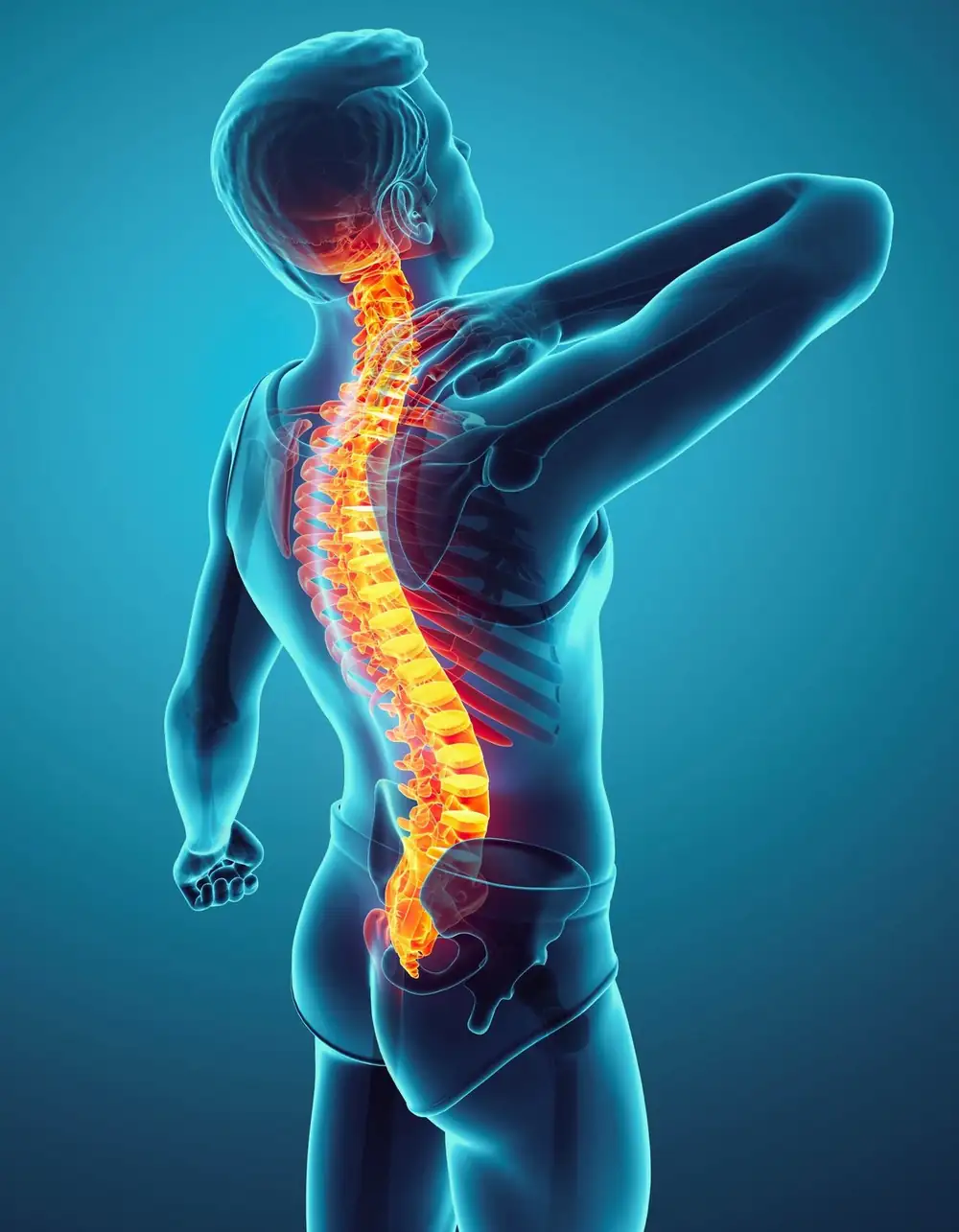
MedlinePlus explains that your back is made of bones, muscles and other tissues running from your neck to your pelvis, and that back injuries can result from a sudden jolt such as a car accident. The lower back is the most common site of back injuries and back pain. In the neck, MedlinePlus lists accidents and falls as a cause of neck injuries, including whiplash.
Which injuries cause pain after a crash?
MedlinePlus lists common back injuries as sprains and strains, herniated disks, and fractured vertebrae. Acute low back pain is most often caused by a sudden injury to the muscles and ligaments that support the back, and the pain may come from muscle spasms or a strain or tear. In the neck, a sore, stiff neck that is hard to turn is common, and nerve compression can cause numbness, tingling or weakness in an arm or hand.
What can back pain feel like?
MedlinePlus says back pain can range from a dull, constant ache to a sudden, sharp pain. You may notice stiffness, less movement in the lower back and difficulty standing straight. Some people feel tingling or burning, and depending on the cause, pain can reach the leg, hip or the bottom of the foot. Pain that runs down the leg may be sciatica; see our sciatica basics article.
Which symptoms need care right away?
| Symptom | Why it matters |
|---|---|
| Back pain after a severe blow or fall | MedlinePlus says contact your provider right away |
| Weakness or numbness in the buttocks, thigh, leg or pelvis | Can point to nerve involvement |
| Pain traveling down the leg below the knee | Listed by MedlinePlus as a reason to call right away |
| Loss of control of urine or stool | Needs urgent medical care |
| Severe pain you cannot get comfortable with, or pain that wakes you at night | Listed by MedlinePlus as a reason to call right away |
| Numbness, tingling or weakness in an arm or hand | MedlinePlus says contact your provider |
If you are unsure, go to an emergency room or call 911. Chiropractic care is not emergency care.
What helps in the first few days?
MedlinePlus says most back pain goes away on its own, though it may take a while, and that over-the-counter pain relievers and rest can help. However, staying in bed for more than one or two days can make it worse. For the neck, it suggests ice for the first 48 to 72 hours and then heat, a few days off normal activity, and slow range-of-motion exercises. Call your provider if back pain is severe or does not improve after three days, and get medical attention for back pain following an injury.
How long does back pain take to improve?
MedlinePlus says most people with back pain improve or recover within 4 to 6 weeks, and often much sooner. Providers usually do not order tests of the spine at the first visit, or for 4 to 6 weeks, unless certain symptoms are present. A common misbelief is that you need long rest: MedlinePlus says bed rest is not recommended, and that without signs of a serious cause you should stay as active as possible so your back and abdominal muscles do not get too weak. Avoid heavy lifting and twisting for the first 6 weeks, and gradually start exercising again after 2 to 3 weeks with light aerobic activity such as walking, a stationary bike or swimming.
How is back and neck pain treated?
MedlinePlus says treatment depends on the kind of pain and its cause, and may include hot or cold packs, exercise, medicines, injections, complementary treatments and sometimes surgery. It also notes that many people visit chiropractors for low back pain, neck pain and headaches, and that chiropractors may use rehabilitative and general exercise alongside adjustments.
At Fusion Chiropractic, care after a crash may combine chiropractic manipulation to reduce joint stiffness and improve mobility, soft tissue therapy to relax tight muscles, and rehab exercises to restore proper function. Neck symptoms are covered in more depth in whiplash symptoms after a car accident.
Who pays for care after a crash?
In New Jersey, medical bills after a crash usually start with the Personal Injury Protection (PIP) part of your auto policy. Read New Jersey PIP and paying for injury care for how deductibles and co-payments work.
Why choose Fusion Chiropractic for back and neck pain in Eatontown?
Fusion Chiropractic, at 611 Industrial Way West in Eatontown, believes healthcare should provide answers, not guesses. Every new patient starts with a full medical history and exam, and your plan is tailored to your specific needs, with a gym on site for the rehab work. See car accident care, book online, or call (908) 692-4032.