Quick answer: Sciatica is pain, weakness, numbness or tingling in the leg caused by pressure on or injury to the sciatic nerve, the largest nerve in the body. It usually affects one side and can run from the lower back down to the calf, foot or toes. Common causes include a herniated disk and spinal stenosis. MedlinePlus says it often gets better on its own and that conservative, non-surgical care is best in many cases. If you are in Eatontown or Monmouth County and leg pain is slowing you down, Fusion Chiropractic can help you work out a plan.
Everything below comes from MedlinePlus, the National Library of Medicine’s consumer health site. It is general information, not a diagnosis.
What is sciatica?
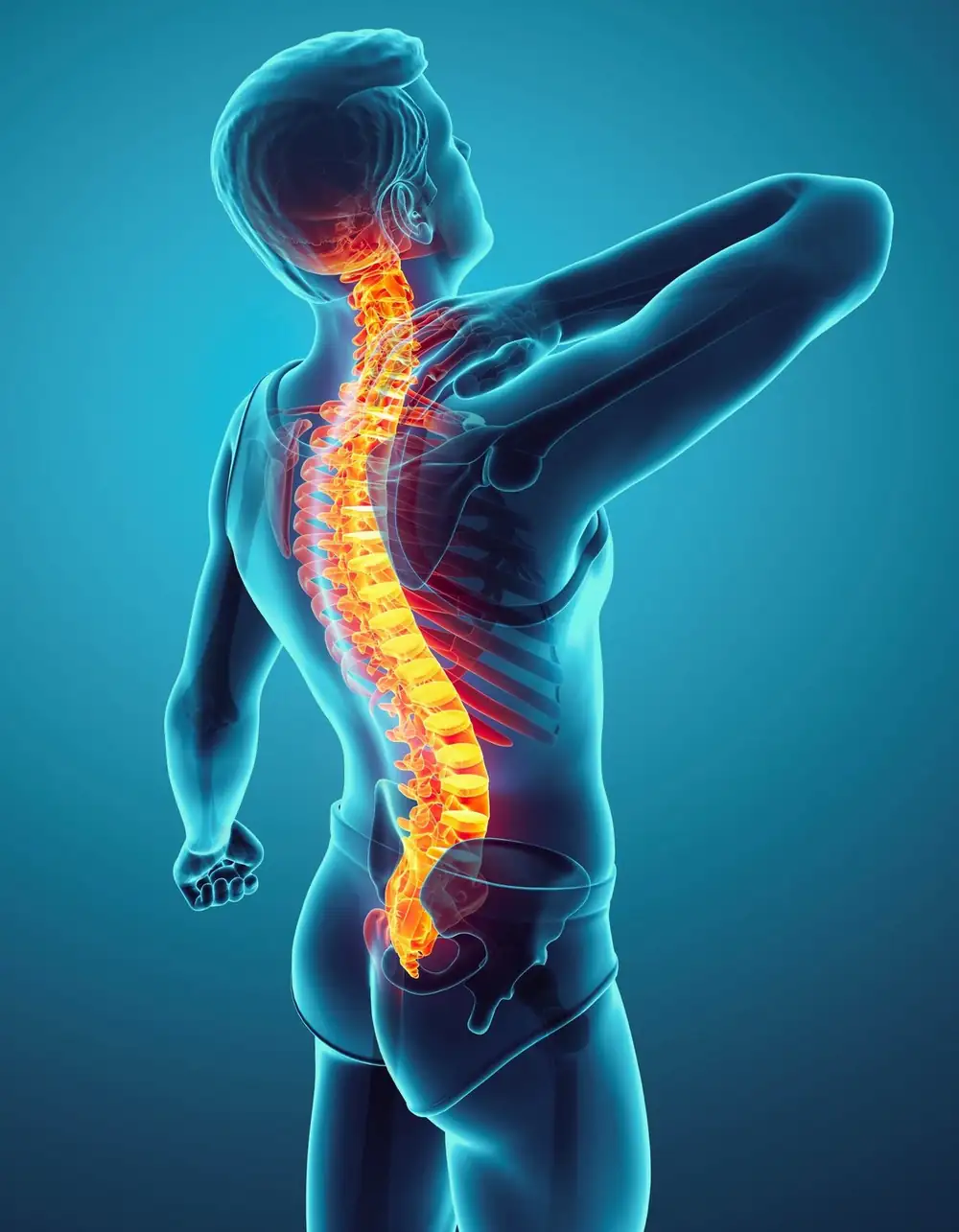
MedlinePlus describes sciatica as a symptom of a problem with the sciatic nerve, not a medical condition by itself. The nerve starts in the lower back and runs down the back of each leg. It controls muscles in the back of the knee and lower leg, and gives feeling to the back of the thigh, part of the lower leg and the sole of the foot.
What does sciatica feel like?
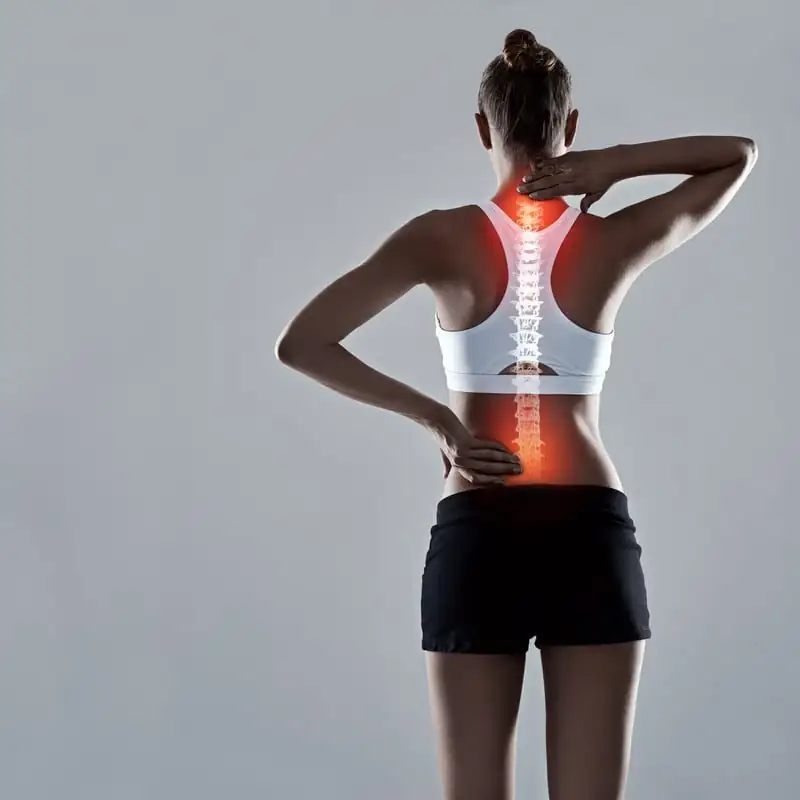
The pain varies widely, MedlinePlus says. It may feel like mild tingling, a dull ache or burning, and in some cases it is severe enough that a person cannot move. It usually occurs on one side. Some people have sharp pain in one part of the leg or hip and numbness in other parts, and the leg may feel weak. Sometimes your foot catches on the ground when you walk.
What makes sciatica worse?
MedlinePlus lists several triggers. The pain may get worse after standing or sitting, at certain times of day such as at night, when sneezing, coughing or laughing (especially with a herniated disk), when bending backward or walking more than a short distance (especially with spinal stenosis), and when straining or holding your breath.
What causes sciatica?
| Common cause (MedlinePlus) | What it is |
|---|---|
| Slipped or herniated disk | A disk between the vertebrae presses on the nerve |
| Spinal stenosis | Narrowing of the spinal canal that puts pressure on the nerve |
| Piriformis syndrome | A pain disorder involving the narrow muscle in the buttocks |
| Pelvic injury or fracture | Injury near the nerve’s path |
| Spondylolisthesis | Listed by MedlinePlus as a common cause |
| Tumors | A less common cause that needs medical evaluation |
MedlinePlus adds that in many cases no cause can be found, and that men between 30 and 50 are more likely to have sciatica.
How is sciatica diagnosed?
MedlinePlus says a provider will start with a physical exam, which may show weakness when bending the knee, difficulty bending the foot inward or down, difficulty walking on your toes, difficulty bending forward or backward, abnormal or weak reflexes, numbness, or pain when the leg is lifted straight up while you lie on the exam table. Tests are often not needed unless the pain is severe or long-lasting; if they are, they may include X-rays, an MRI or other imaging of the spine. Because sciatica is a symptom, the goal is to find and treat the underlying cause.
What helps sciatica?
Conservative, non-surgical treatment is best in many cases, according to MedlinePlus. Its self-care steps include over-the-counter pain relievers, ice for the first 48 to 72 hours and then heat, and reducing activity for the first couple of days before slowly returning to your usual activities. Bed rest is not recommended. Back exercises are recommended early on, and exercise can resume after 2 to 3 weeks, including core strengthening and spinal flexibility work. Avoid heavy lifting and twisting for the first 6 weeks after the pain begins.
That is where rehab exercises come in. At Fusion Chiropractic, they sit alongside chiropractic manipulation to reduce joint stiffness and soft tissue therapy to relax tight muscles, in a plan tailored to you.
When should you get help right away?
MedlinePlus says to contact your provider right away if you have unexplained fever with back pain, back pain after a severe blow or fall, redness or swelling on the back or spine, pain traveling down the leg below the knee, weakness or numbness in the buttocks, thigh, leg or pelvis, burning with urination or blood in the urine, pain that is worse lying down or wakes you at night, severe pain you cannot get comfortable with, or loss of control of urine or stool. Also call if back pain has lasted longer than 4 weeks or feels different and worse than before.
If your leg pain started after a crash, read back and neck pain after a car accident and see our car accident care page. Our guide to what to do after a car accident in New Jersey covers the first steps.
Can you prevent sciatica from coming back?
MedlinePlus says having strong back and abdominal muscles is important to avoid sciatica, and recommends core-strengthening exercise as you get older. It also suggests avoiding prolonged sitting or lying with pressure on the buttocks.
Why choose Fusion Chiropractic for sciatica in Eatontown?
We believe healthcare should provide answers, not guesses. Fusion Chiropractic, at 611 Industrial Way West in Eatontown, starts with a full medical history and exam, then builds a personalized plan with movement and targeted therapies, with a gym on site for the strength work. Book online or call (908) 692-4032.