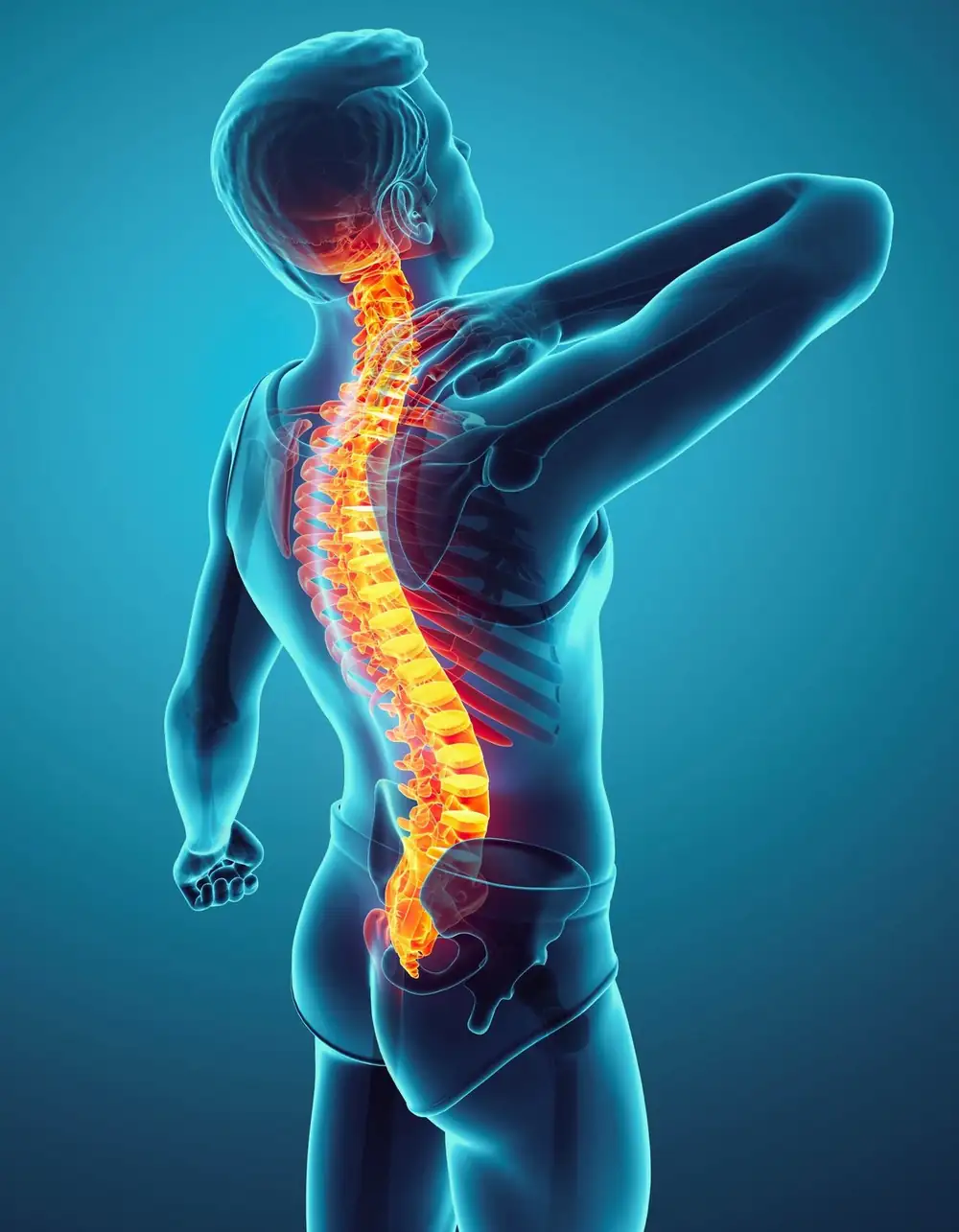
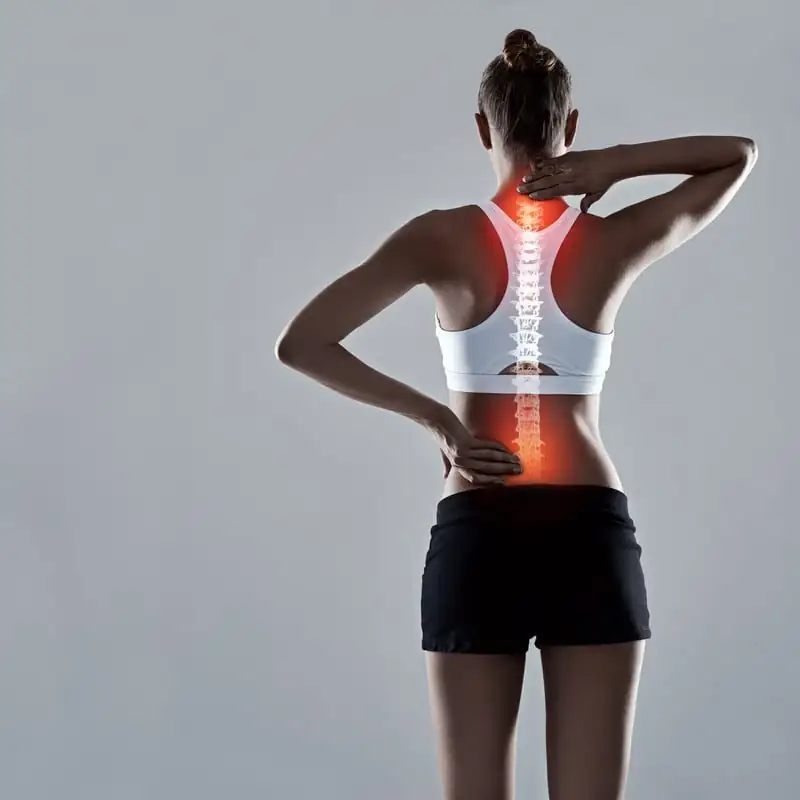
Quick answer: Whiplash is a soft tissue injury to the neck, also called a neck sprain or strain, and car accidents are a common cause. It can show up as neck pain, a stiff neck that is hard to turn, muscle spasms, and sometimes headaches. Numbness, tingling or weakness in an arm or hand, or neck pain after a crash that does not settle within a week of self-care, are reasons to get checked. If you are in Eatontown or Monmouth County, Fusion Chiropractic sees car accident patients.
This article draws on MedlinePlus, the National Library of Medicine’s consumer health site. It is general information, not a diagnosis. If anything feels like an emergency, call 911.
What is whiplash?
MedlinePlus describes whiplash as a soft tissue injury to the neck, also called neck sprain or strain. Any part of the neck, including the muscles, bones, joints, tendons, ligaments or nerves, can cause neck problems. Falls or accidents, including car accidents, are a common cause of neck pain. A strain is a stretched or torn muscle or tendon; a sprain is a stretched or torn ligament.
What does whiplash feel like?
MedlinePlus says a sore neck can make it hard to move, such as turning to one side, which many people call a stiff neck. Strains can bring pain, muscle spasms, swelling and trouble moving the muscle. If neck pain involves compression of a nerve, you may feel numbness, tingling or weakness in your arm or hand. MedlinePlus also notes that a concussion, which car accidents can cause, may include headache or neck pain.
Can symptoms show up days later?
Some can. MedlinePlus says concussion symptoms may not start right away; they may start days or weeks after the injury. That is one reason the New Jersey Driver Manual tells drivers who are shaken up to see a doctor as soon as possible, rather than waiting to see how they feel. Pay attention to how your neck, head and arms feel in the days after a crash, and write down what changes.
Which symptoms need care right away?
| Symptom | What MedlinePlus says to do |
|---|---|
| You cannot move your arm or hand after a fall, blow or injury | Have someone call 911 |
| Fever and headache with a neck so stiff you cannot touch chin to chest | Call 911 or get to a hospital |
| Drowsiness, confusion, slurred speech, repeated vomiting or loss of consciousness | Consult your health care professional (possible concussion) |
| Numbness, tingling or weakness in an arm or hand | Contact your provider |
| Neck pain caused by a fall, blow or injury | Contact your provider |
| Pain that does not go away in 1 week with self-care | Contact your provider |
| Trouble walking and balancing, or loss of bladder or bowel control | Contact your provider |
What can you do at home?
For minor neck pain, MedlinePlus lists over-the-counter pain relievers, ice for the first 48 to 72 hours and heat after that, stopping normal physical activity for the first few days, and slow range-of-motion exercises: up and down, side to side and ear to ear. Sleep on a firm mattress with a pillow that supports your neck. A soft collar can relieve discomfort, but MedlinePlus warns that wearing one for a long time can weaken the neck muscles. Do not use home care in place of an exam after a crash.
What happens when you get checked?
MedlinePlus says a provider will do a physical exam and ask about your neck pain: where you feel it, how often it happens and how much it hurts. Tests are usually not ordered at the first visit; they are done when symptoms or your history suggest something like a fracture, an infection or a serious nerve problem, and in that case may include imaging such as a CT scan. If there is nerve damage, you may be referred to a neurologist or a surgeon for a consultation.
At Fusion Chiropractic, a new patient visit includes a full medical history, an exam and a treatment plan. Bring the date and details of the crash, any emergency room or urgent care paperwork, and your auto insurance claim information. If you have not requested your police report yet, our guide on how to get a New Jersey crash report explains the steps.
How is whiplash treated?
MedlinePlus says treatment depends on the cause and may include ice, pain relievers, physical therapy or a cervical collar, and that surgery is rarely needed. For strains, later treatment may include exercise and physical therapy. MedlinePlus also notes that many people visit chiropractors for neck pain and headaches, and that chiropractors may use rehabilitative exercise alongside adjustments.
At Fusion Chiropractic, a plan after a crash may combine soft tissue therapy to relax tight muscles, chiropractic manipulation to reduce joint stiffness, and rehab exercises to restore proper function. If your lower back hurts too, read back and neck pain after a car accident.
Why choose Fusion Chiropractic for whiplash in Eatontown?
Injured in a car accident? We are here to help. Fusion Chiropractic, at 611 Industrial Way West in Eatontown, starts with a full medical history and exam, then builds a personalized plan around your neck, your job and your training. See car accident care, book online, or call (908) 692-4032. For the first steps after a crash, see what to do after a car accident in New Jersey.